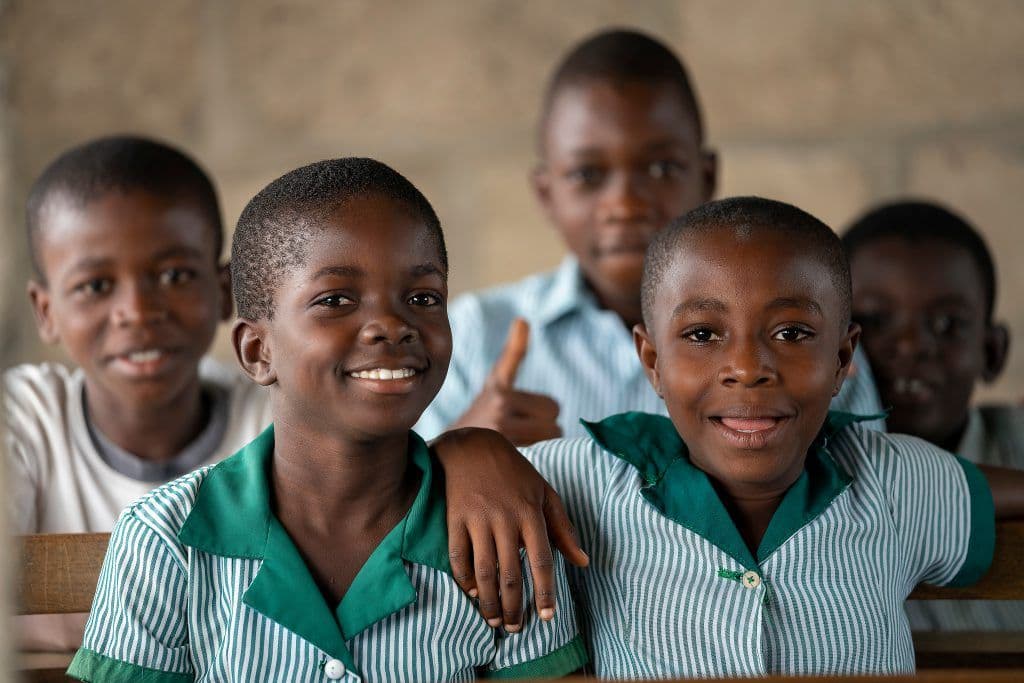
Across Ghanaian towns and cities, the closing of the school term no longer brings a true break for students. Just a week or two after public and private schools vacate, classrooms open right back up for vacation classes. From primary pupils to final year students preparing for the BECE and WASSCE, the cycle of early morning prep and afternoon lectures simply continues. However, a closer look at our local reality shows that this tradition is losing its actual educational value.
During our own school days and continuing today, it is an open secret that vacation classes rarely match the academic rigor of the regular term. Many teachers treat these periods lightly, often using them to cover uncompleted syllabi at a rushed pace or merely to earn extra income. Because the atmosphere is relaxed and free from strict uniform rules, most students go along simply for the fun part of it. It serves as an easy way to escape house chores, show off stylish home clothes, and socialize with friends from other schools. Serious learning takes a back seat to gossip, playground chatter, and peer meetups.
At the same time, parental dynamics have changed significantly. With the demands of modern work life in busy commercial hubs across the country, many parents find it difficult to monitor their children at home during long holidays. As a result, vacation classes have turned into convenient day-care centers. Parents pay tuition and transport fees not necessarily because their wards are struggling academically, but to keep them occupied and supervised while they work.
Using academic institutions as a substitute for home supervision carries real costs. Students need real downtime to recover their energy, spend quality time with family, and learn essential domestic and trade skills that books cannot teach. If our regular school terms are managed efficiently by teachers and administrators, holidays should remain a period of genuine rest and personal development.